
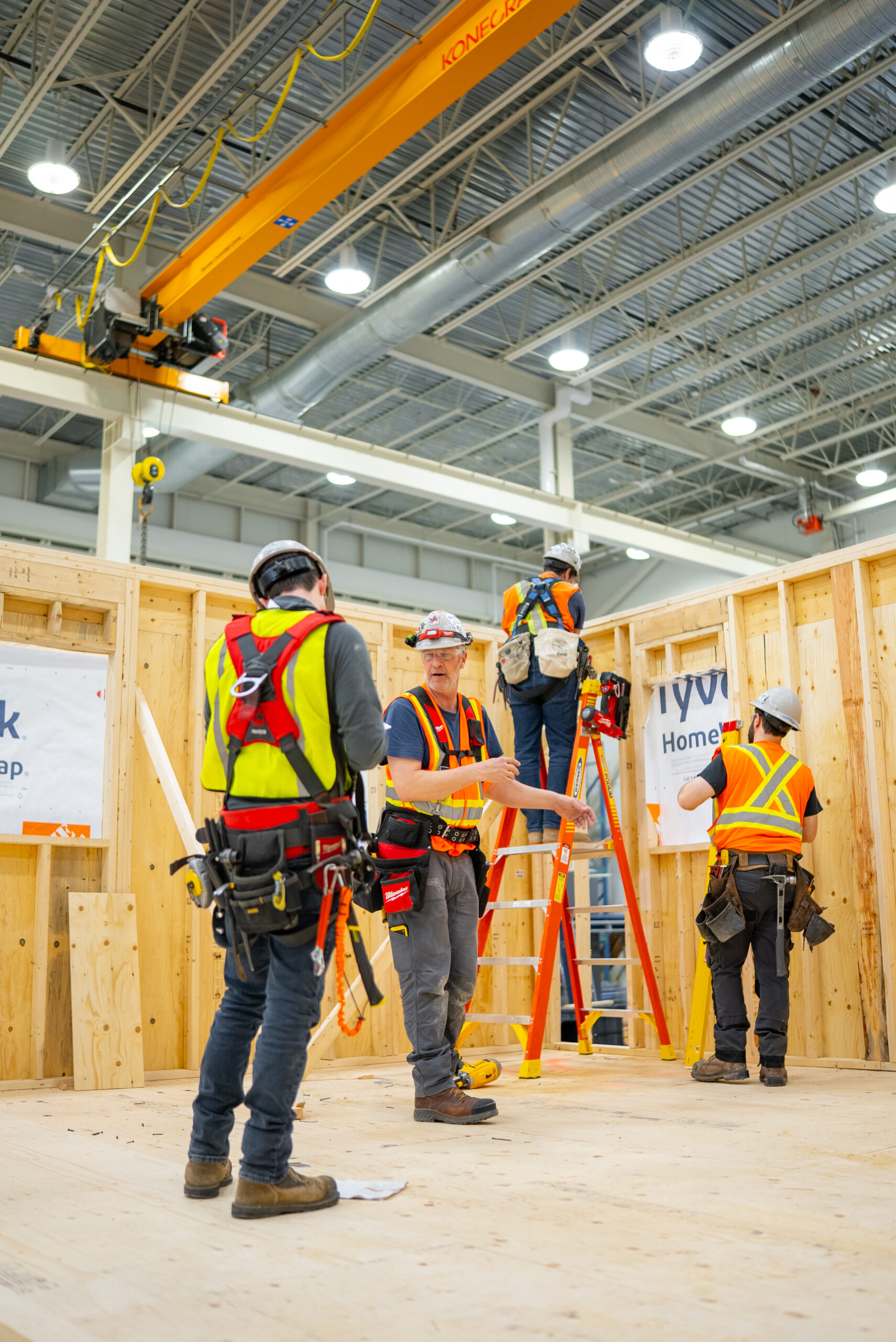


Intermediate Level 2 builds on core skills with a strong focus on residential construction. Apprentices learn how houses are laid out, framed, roofed, and finished, while applying building code requirements and estimating residential projects.
Residential Construction
Building layout and site preparation
Excavation, footings, foundations, and drainage
Floor, wall, ceiling, and roof framing
Roof systems, including rafters and trusses
Exterior finishes (siding, roofing, windows, doors)
Interior finishes (drywall, trim, doors, cabinets)
Building envelope basics (air, vapour, and moisture control)
Plans, Specifications & Codes II
Reading residential drawings and specifications
Plot plans, floor plans, elevations, sections, and schedules
Estimating, Calculation & Layout II
Material take‑offs and basic costing
Estimating time and materials for residential construction
Employment Insurance (EI) while in training
Apprentices may be eligible for EI benefits during full‑time, in‑class technical training.
This provides partial income replacement while they are away from work. Learn more here:https://www.canada.ca/en/services/jobs/training/support-skilled-trades-apprentices/ei-apprentices.html
The Canada Apprentice Loan is a federal program that provides interest‑free financial support to eligible apprentices while they attend full‑time, in‑class technical training in a designated Red Seal trade.
Apprentices can borrow up to $4,000 per level of technical training, for a maximum of five levels.
https://www.canada.ca/en/services/jobs/training/support-skilled-trades-apprentices/loan.html
The Apprenticeship Development Benefit is an Ontario government program that provides financial help to apprentices while they attend full‑time, in‑class technical training at an approved training provider.
It is designed to help cover basic living costs when apprentices are away from work for training.
Support may include assistance for:
Living expenses
Dependent care
Commuting, travel, or living away from home
Additional supports for apprentices with disabilities
The benefit is needs‑based and may supplement or replace Employment Insurance (EI) if EI is not available or is not sufficient. Learn more here:https://www.ontario.ca/page/financial-supports-apprentices-and-sponsors
To be eligible to attend apprenticeship in‑class training in Ontario, an individual must be a registered apprentice with Skilled Trades Ontario, have a registered Training Agreement with an approved sponsor (such as an employer or group sponsor), and be working in a recognized Ontario apprenticeable trade. The apprentice must meet any trade‑specific prerequisites, including required education, on‑the‑job training hours, and completion of prior in‑class levels where applicable.

Pre-employment training builds skills, confidence, and job-readiness for careers in the trades.

In-class sessions for provincially registered apprentices in pursuit of their Red Seal Certification.

UBC Health & Safety training ensures safe practices and compliance across all job sites.

Introducing students to the foundations of the trades, providing essential training, hands-on learning, and more.
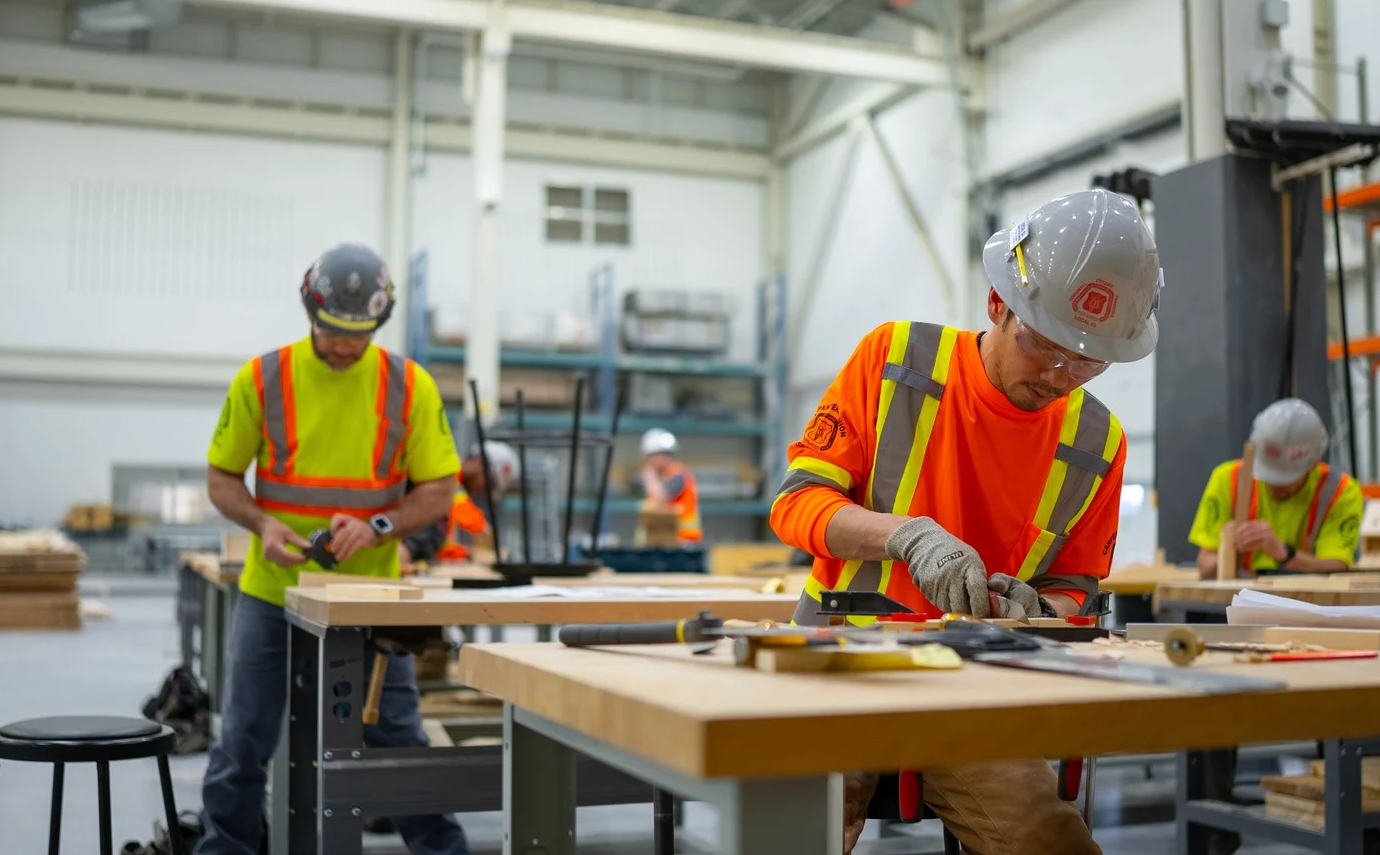
UBCBuilt Training is the trusted training arm of the Carpenters’ Regional Council (CRC), serving over 70,000 members of the United Brotherhood of Carpenters and Joiners of America (UBC) across five provinces and the territories.